History of Kurnool
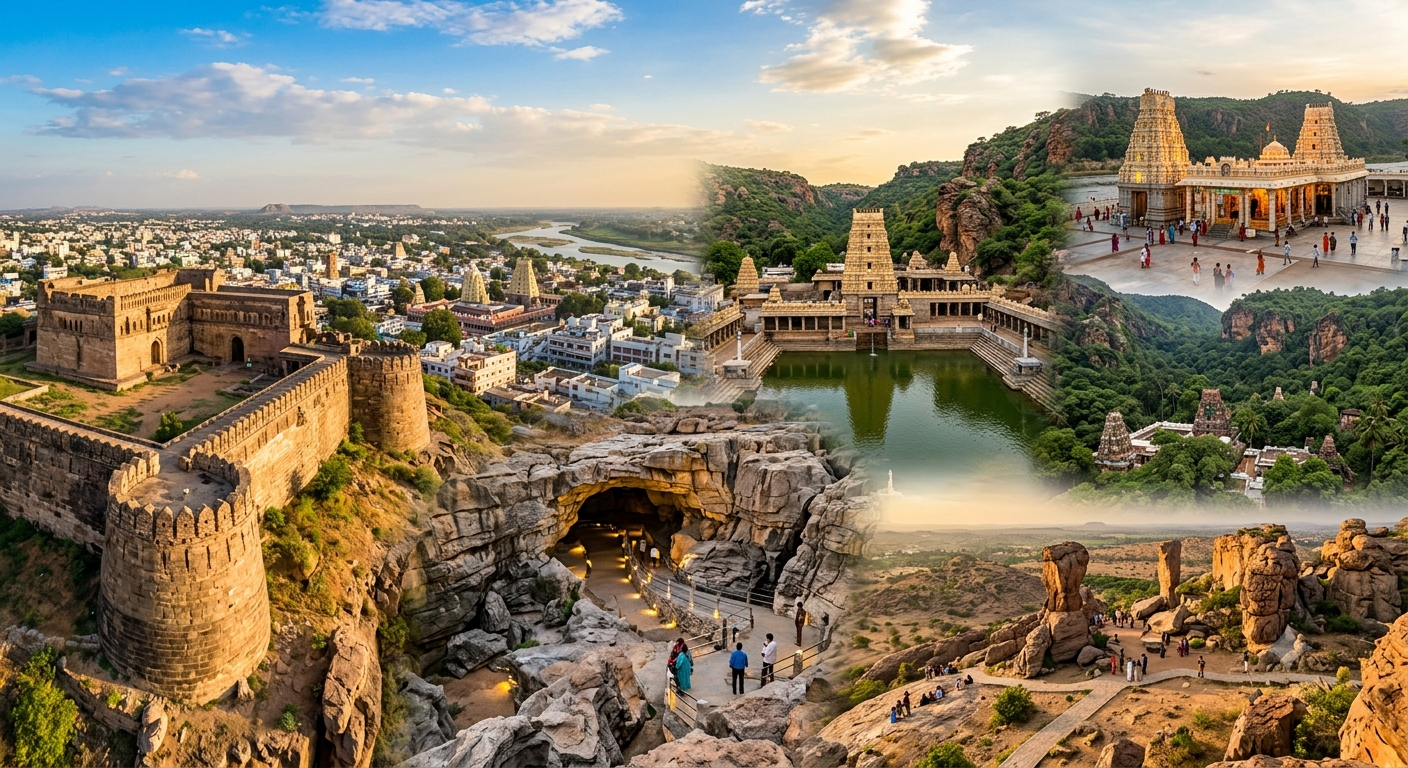
Kurnool is one of the oldest and most historically significant districts in Andhra Pradesh, with a rich heritage that spans thousands of years. The region has been home to ancient civilizations, as evidenced by prehistoric rock paintings and archaeological discoveries in the Belum Caves area and surrounding regions. Over the centuries, Kurnool was ruled by several powerful dynasties, including the Satavahanas, Chalukyas, Rashtrakutas, Vijayanagara Empire, and the Nawabs, each leaving a lasting impact on its culture, architecture, and traditions.
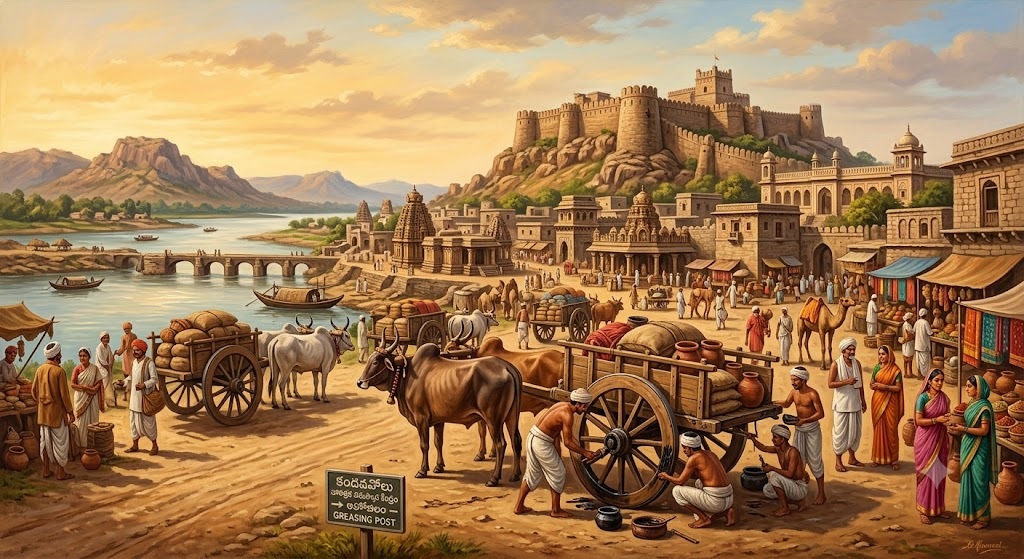
The name Kurnool is believed to have originated from the Telugu word “Kandanavolu,” meaning “greased cart wheels.” Historically, traders traveling to the famous Ahobilam Temple used to lubricate their bullock cart wheels at this location before continuing their journey. Over time, the name gradually evolved into Kurnool.
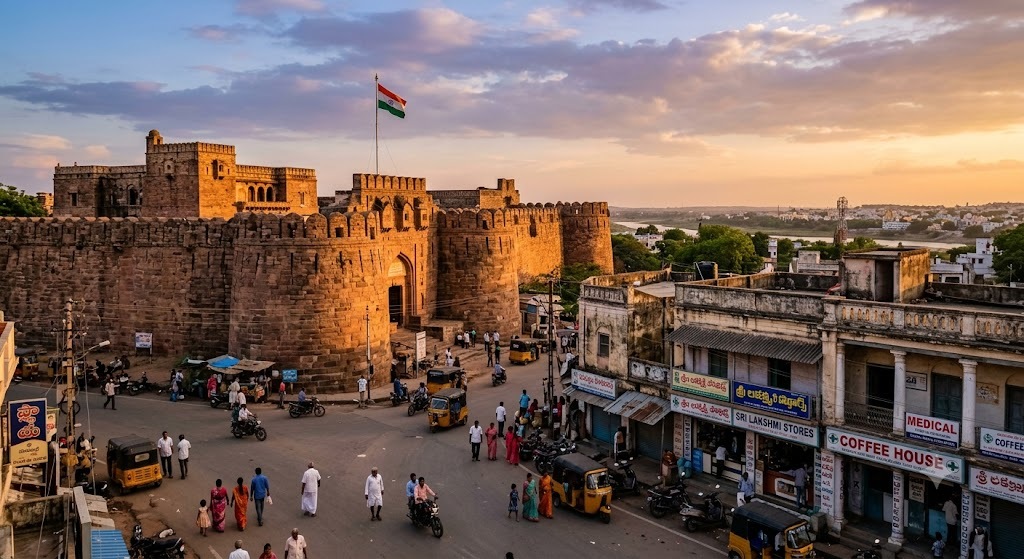
During the medieval period, Kurnool emerged as an important administrative and commercial center under various kingdoms. Historic landmarks such as Konda Reddy Fort, ancient temples, and heritage structures continue to reflect the district’s glorious past. The region also played a significant role during British rule, serving as an important center for administration and trade.
A landmark chapter in Kurnool’s history began in 1953, when it became the first capital of the newly formed Andhra State. The city served as the state capital until 1956, before the formation of Andhra Pradesh and the transfer of the capital to Hyderabad. This historic achievement remains a proud milestone in Kurnool’s legacy.
Today, Kurnool stands as a vibrant district that beautifully blends its historical heritage with modern development. Renowned for its ancient monuments, spiritual destinations, natural attractions, educational institutions, and growing infrastructure, Kurnool continues to preserve its rich past while embracing a progressive future.
District Overview
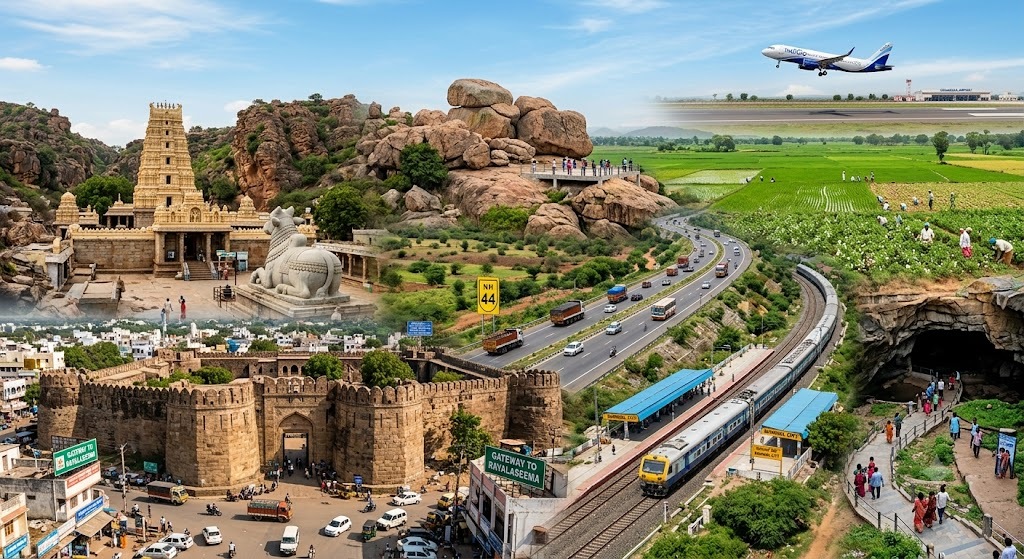
Kurnool is one of the prominent districts of Andhra Pradesh and is widely recognized as the Gateway to Rayalaseema. Strategically located in the southwestern part of the state, the district shares its borders with Telangana and Karnataka, making it an important center for trade, transportation, and cultural exchange. Kurnool is well connected by national highways, railways, and air connectivity through Orvakal Airport.
Known for its rich historical legacy, spiritual heritage, and natural beauty, Kurnool is home to iconic attractions such as Konda Reddy Fort, Yaganti Temple, Mantralayam, Belum Caves, Orvakal Rock Garden, and Rollapadu Wildlife Sanctuary. The district also has a strong agricultural base, with crops like paddy, cotton, groundnut, sunflower, and chilli contributing significantly to the local economy.
Today, Kurnool is emerging as a growing educational, commercial, and industrial hub while preserving its unique traditions and cultural heritage. With its blend of history, tourism, infrastructure, and economic development, Kurnool offers visitors and residents a vibrant and progressive environment.
Culture & Heritage
Geography & Climate
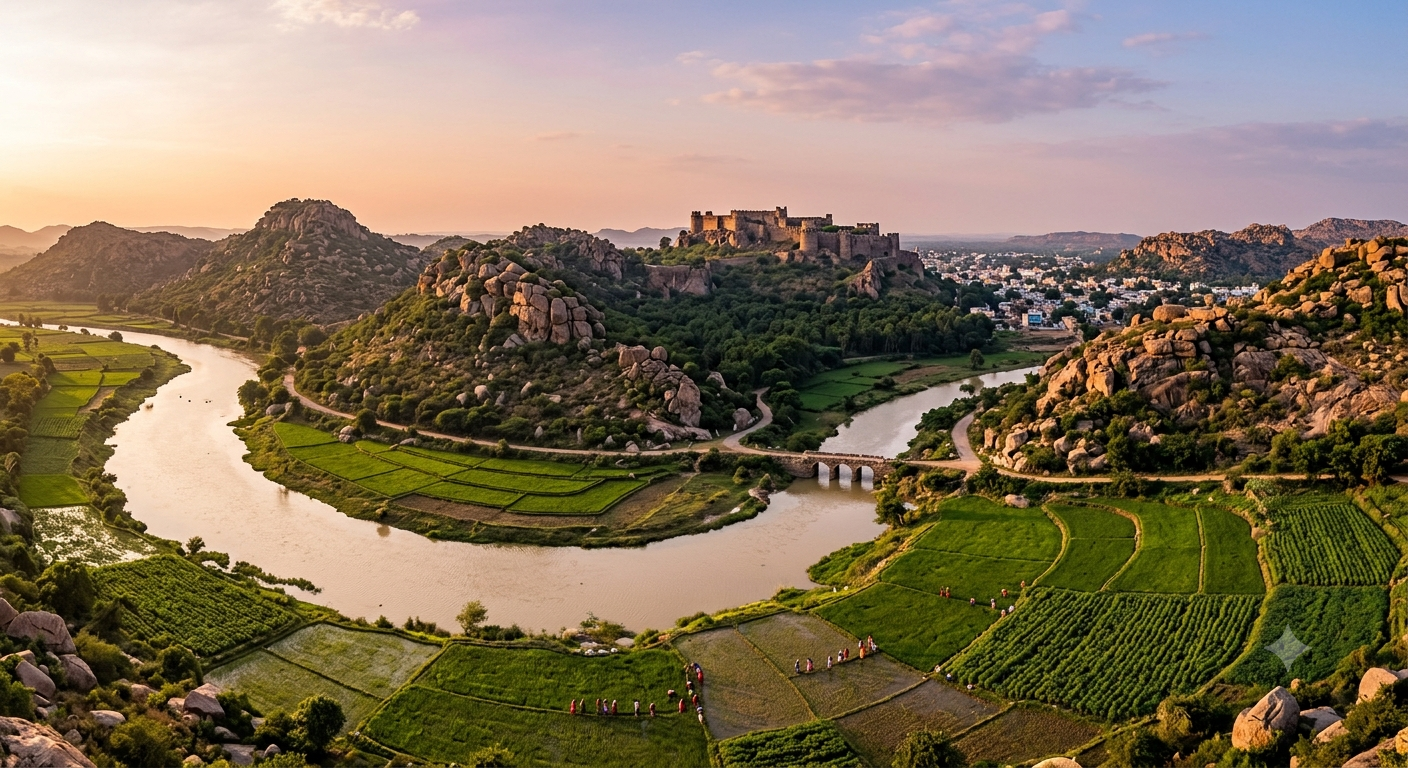
Kurnool district is located in the southwestern part of Andhra Pradesh and serves as the Gateway to the Rayalaseema region. The district features a diverse landscape of rocky hills, fertile plains, river valleys, and forested areas, making it one of the state’s most geographically unique regions. The Tungabhadra, Handri, and Hundri rivers play an important role in supporting agriculture and water resources across the district.
Kurnool experiences a tropical semi-arid climate, characterized by hot summers, a monsoon season, and mild winters. Summer temperatures can exceed 40Β°C, while winters are generally pleasant, with temperatures ranging between 15Β°C and 28Β°C. Most of the district’s rainfall is received during the southwest monsoon, which is essential for agriculture and groundwater recharge. The district’s varied geography, combined with its natural attractions and favorable connectivity, makes Kurnool an important destination for tourism, farming, and regional development.
Economy & Development
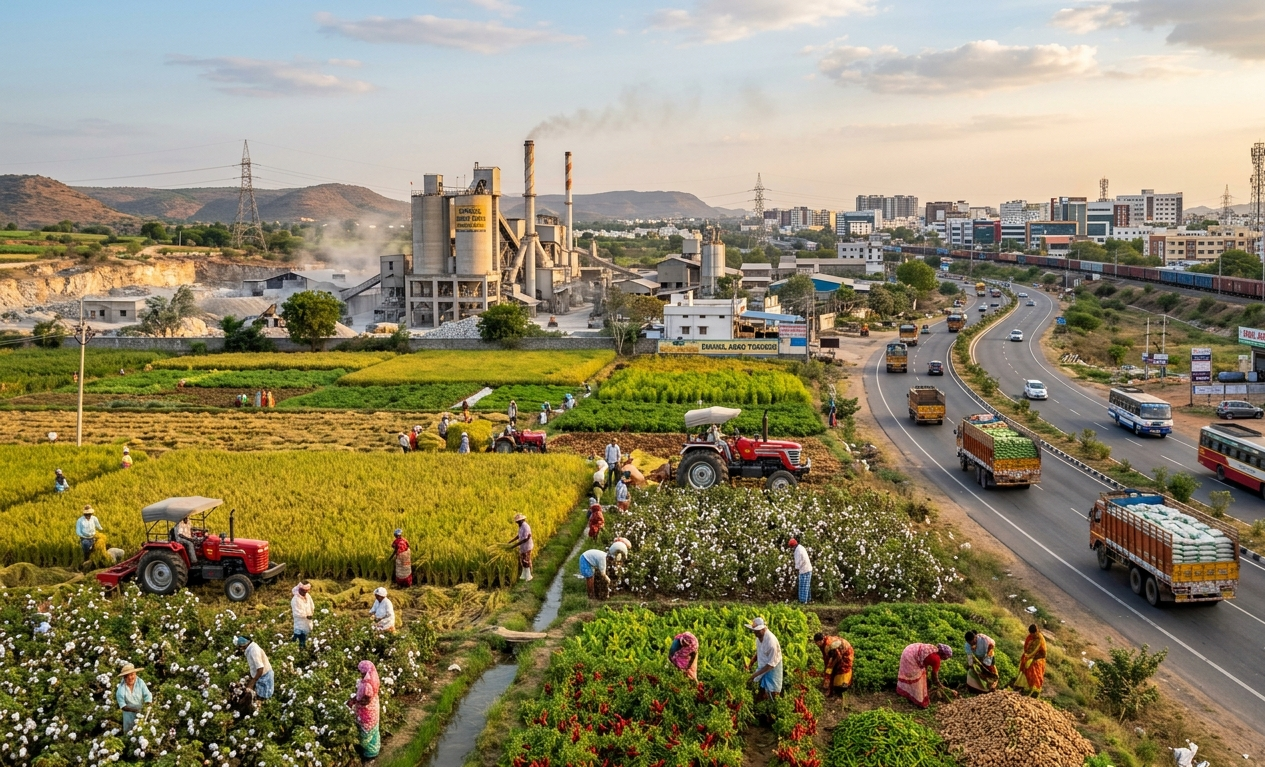
Kurnool has a diverse and steadily growing economy supported by agriculture, industries, trade, commerce, and the service sector. Agriculture continues to be the backbone of the district, with fertile lands producing major crops such as paddy, groundnut, cotton, sunflower, chilli, and pulses. Irrigation projects and river resources play a vital role in sustaining agricultural productivity and supporting rural livelihoods.
The district is rich in limestone, quartz, and other mineral resources, making it an important center for cement manufacturing and mineral-based industries. Along with industrial growth, Kurnool has witnessed significant development in education, healthcare, retail, banking, tourism, and transportation. Well-connected road, rail, and air networks have further boosted business activities and investment opportunities. With continuous infrastructure development and government initiatives, Kurnool is emerging as a dynamic commercial and industrial hub, contributing significantly to the economic growth of the Rayalaseema region.
Tourism Highlights
Kurnool is a land of remarkable tourist destinations that showcase its rich history, spiritual significance, and natural beauty. From ancient temples and majestic forts to breathtaking caves and scenic landscapes, the district offers memorable experiences for every traveler. Whether you are seeking pilgrimage, adventure, heritage, or relaxation, Kurnool has something unique to explore. Each destination reflects the district’s cultural legacy and natural charm, making it one of the most visited regions in Andhra Pradesh.
Major Towns of Kurnool
Adoni
Adoni is an important commercial town known for its historical fort, thriving textile and cotton trade, and vibrant business activities.
Yemmiganur
Yemmiganur is a rapidly developing town recognized for its textile industry, agriculture, and growing commercial importance.
Pattikonda
Pattikonda is an important agricultural town that serves as a regional hub for farming, local markets, and public services.
Mantralayam
Mantralayam is a pilgrimage town, renowned for the shrine of Sri Raghavendra Swamy, attracting devotees year-round.
Administrative Divisions
Kurnool Revenue Division
Headquarters: Kurnool
The administrative heart of Kurnool district, Kurnool Revenue Division oversees several mandals and plays a vital role in governance, public services, infrastructure development, and regional administration. As the district headquarters, it serves as a major center for administration, commerce, education, healthcare, and civic activities.
Mandals: Kallur, Kodumur, C. Belagal, Gudur, Kurnool, Orvakal, Veldurthi, Velgodu, Krishnagiri, and Bethamcherla.
Adoni Revenue Division
Headquarters: Adoni
The Adoni Revenue Division is one of the key administrative divisions of Kurnool district, playing an important role in governance, revenue administration, and the implementation of government welfare programs. Adoni is a major commercial and agricultural center, known for its rich history, thriving textile trade, and strong business activities.
Mandals: Adoni, Alur, Aspari, Chippagiri, Halaharvi, Holagunda, Kowthalam, Kosigi, Mantralayam, Nandavaram, Pedda Kadubur, and Yemmiganur.
Pattikonda Revenue Division
Headquarters: Pattikonda
The Pattikonda Revenue Division is one of the three administrative divisions of Kurnool district and plays a significant role in regional governance, revenue administration, and public service delivery. The division oversees several mandals, ensuring the effective implementation of government schemes, land administration, rural development, and welfare programs across the region.
Mandals: Pattikonda, Tuggali, Maddikera (East), Devanakonda, Gonegandla, Dhone, Peapully, and Aspari.
Population & Demographics
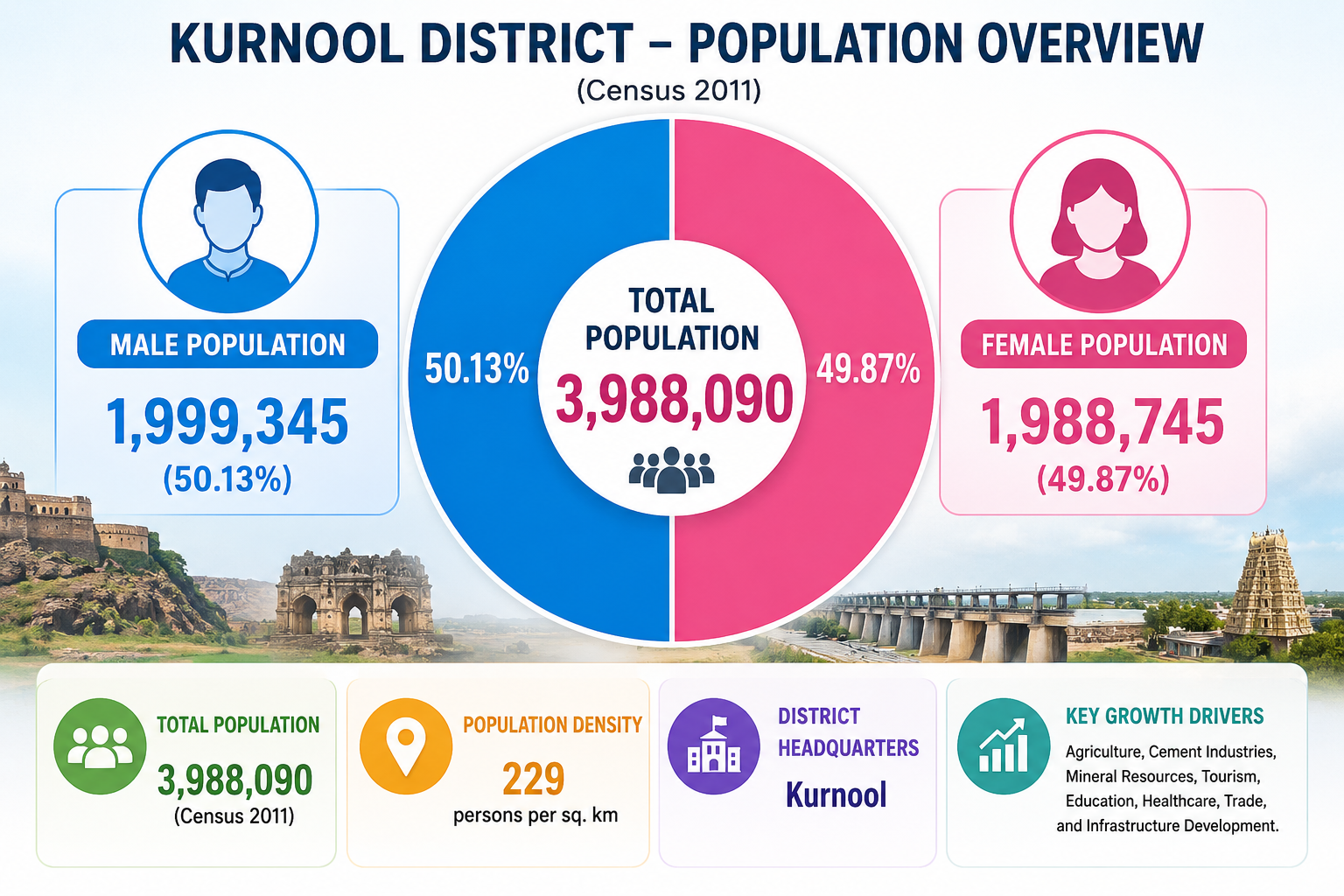
Kurnool District is a historically significant and rapidly developing district with a population of nearly 4 million people. Known as the Gateway to Rayalaseema, the district has a strong foundation in agriculture, industry, trade, education, and tourism. Over the years, Kurnool has witnessed steady progress through improvements in infrastructure, healthcare, irrigation, transportation, and public services. With its strategic location, abundant natural resources, and growing commercial importance, the district continues to attract investment and contribute significantly to the economic development of Andhra Pradesh.
Key Highlights
- Total Population: 3,988,090 (Census 2011)
- Male Population: 1,999,345 (50.13%)
- Female Population: 1,988,745 (49.87%)
- Population Density: 229 persons per sq. km
- District Headquarters: Kurnool
- Growth Drivers: Agriculture, Cement Industries, Mineral Resources, Tourism, Education, Healthcare, Trade, and Infrastructure Development.
District Statistics
Kurnool district reflects a strong foundation of demographic, geographical, and administrative excellence. These key statistics provide a quick overview of the district’s population, area, governance, literacy, and other important indicators that highlight its significance as one of the major districts of Andhra Pradesh. Together, these figures showcase Kurnool’s steady growth, regional importance, and contribution to the state’s overall development.
17,658 Sq. Km
Area
39,88,090
Population
19,99,345
Male Population
19,88,745
Female Population
59.97%
Literacy Rate
3
Revenue Divisions
26
Mandals
Tungabhadra
Major River
Kurnool
Headquarters
229
Population Density / Sq. Km